Thermal Treatment for Bed Bugs: A Complete Guide to Eliminating Bed Bugs
Heat treatment for bed bugs has become an effective, chemical-free option for homeowners. This technique successfully elevates temperatures to destroy every life stage of these insects. Knowing its workings and benefits is vital for homeowners dealing with infestations. Adequate preparation and upkeep following treatment can significantly influence outcomes. Still, numerous homeowners miss key steps. What actions are needed to secure a durable, pest-free living space? Examining these factors can offer insight and direction.
Why Bed Bugs Pose a Serious Threat to Homeowners
Although bed bugs may seem like a minor nuisance, they pose significant challenges for homeowners. These pests, which can rapidly multiply, create anxiety and discomfort due to their nocturnal feeding habits. Their bites may result in allergic responses and secondary infections, making elimination a necessity. Additionally, bed bugs are notoriously difficult to eliminate; they can hide in tiny crevices and survive without feeding for extended periods.
The social stigma surrounding bed bug infestations can further influence property values and rental potential. Homeowners frequently experience significant financial strain from ongoing treatment efforts and financial setbacks in hotel and lodging environments. Moreover, the psychological impact of coping with an infestation can contribute to tension and restless evenings.
How Do Heat Treatments Work Against Bed Bugs?
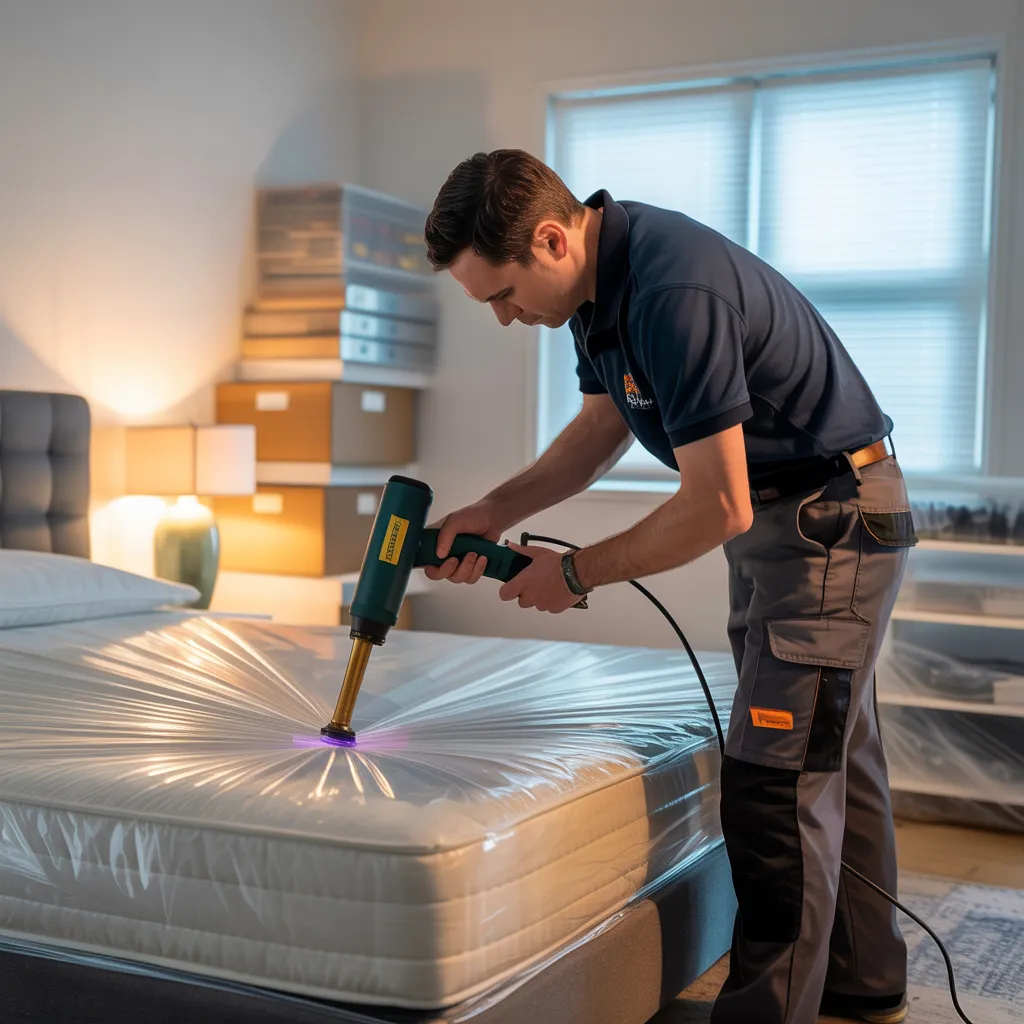
Heat treatment efficiently destroys bed bugs by elevating the temperature in contaminated areas to temperatures that are deadly for these insects. Typically, this involves heating a room or space to a maintained temperature of 120°F to 140°F (49°C to 60°C). At such temperatures, bed bugs, along with their eggs and nymphs, are unable to survive for extended periods.
The process requires specialized equipment to ensure even heat distribution, penetrating all areas where bed bugs may hide, such as mattresses, furniture, and cracks in walls. It is necessary to track the temperature during the entire treatment process to confirm effectiveness.
Heat treatment represents a chemical-free approach, rendering it environmentally safe and ideal for households. However, it necessitates thorough preparation, including the removal of heat-sensitive items and verifying that the treated space is sealed to preserve the elevated heat levels. This approach not only eliminates visible bugs but also reaches concealed populations, offering a thorough and complete resolution to pest infestations.
Advantages of Heat Treatment for Bed Bugs Over Other Methods
The benefits of heat treatment for bed bugs are evident when compared to conventional pest control approaches. As opposed to chemical methods, heat thoroughly destroys all developmental stages of bed bugs, including eggs, larvae, and adults, ensuring complete eradication. This method penetrates deep into walls, furniture, and bedding, achieving temperatures deadly to these insects.
Additionally, heat treatment is environmentally friendly, as it eliminates the use of toxic chemicals that can be hazardous to the health of humans and pets. It also minimizes the risk of chemical resistance, a common issue with chemical-based methods, as bed bugs are rarely able to survive high temperatures.
Moreover, heat treatments generally need only one treatment session, lowering the costs and time associated with multiple chemical applications. Taken together, heat treatment stands out as a comprehensive, effective, and safer option for achieving a pest-free home.
How to Prepare Your Home for Effective Heat Treatment
Getting a home for efficient heat treatment against bed bugs includes several important preparations. First, it is critical to clear the treatment area of any clutter to ensure complete heat penetration. Furthermore, shielding heat-vulnerable belongings is important to avoid damage throughout the treatment.
Prepare The Treatment Area
Proper preparation of the treatment area is vital for successful heat treatment against bed bugs. Residents should start by decluttering the area, clearing away any unneeded items that may obstruct the treatment process. Furniture should be moved away from walls, permitting heat to move freely throughout the space. Linens, garments, and personal items should be moved to prevent harm complete info and secure complete heat coverage. Vacuuming the area is also recommended to eliminate any existing bed bugs and eggs before treatment. Lastly, sealing the room by shutting windows and doors stops heat from escaping, enhancing the overall effectiveness of the treatment. Properly preparing the treatment area maximizes the chances of successfully eradicating bed bugs and achieving a pest-free home.
Preserve Thermally Sensitive Items
Following the clearance of the designated treatment space, it is essential to turn attention to preserving items sensitive to heat. Such items, which may include electronics, artwork, and certain fabrics, could be compromised by the elevated temperatures of heat treatment. It is important to find and remove these items from the treatment zone. Unplug electronics and store them in a cooler area, while delicate fabrics may require relocation to a safe environment. Furthermore, cosmetics, medications, and other temperature-sensitive products should be carefully packed away. Homeowners are advised to reference manufacturer recommendations for particular items to ensure proper and safe storage. Taking these proactive measures helps protect valuable belongings while optimizing the heat treatment's effectiveness against bed bugs.
What to Expect During Heat Treatment
During heat-based treatment for bed bug infestations, meticulous planning is vital to secure efficacy. Residents can look forward to a systematic approach that involves measuring temperature levels and confirming that all areas are sufficiently heated. After the thermal treatment, specific after-treatment steps will be needed to confirm success and avoid re-infestation.
Pre-Treatment Preparation
Planning for heat treatment involves a number of critical steps to ensure both effectiveness and safety. Initially, residents should declutter the area to ensure all surfaces are available. Objects such as curtains, clothing, and bedding need to be washed in hot water and tumble dried on high heat to remove any lurking bed bugs. Large furniture should be pulled away from walls, and any temperature-sensitive items, like electronic devices and plants, should be taken away or protected. It is also important to advise pest control specialists about any particular concerns or infested areas. Finally, residents should arrange a temporary relocation during the treatment, as the heat will rise substantially, making the environment inhospitable for both people and pests.
After-Treatment Follow-Up Steps
While undergoing heat treatment for bed bugs, homeowners should anticipate a thorough and systematic process intended to completely remove the bed bugs. After the treatment is complete, the first step involves a gradual cooling process, during which the affected spaces will slowly reach their standard temperature levels. Specialists will proceed to carry out a comprehensive examination to ensure that all insects along with their eggs have been completely removed. Homeowners need to watch their residential areas for any indications of reappearance such as bites or fecal stains. It is best practice to clean all linens and garments to remove any remaining insects. Moreover, ongoing vigilance is essential; routine checks and precautionary steps can contribute to preserving an infestation-free living area. Homeowners could also be given guidelines for effective follow-up care.
How to Preserve a Bed Bug-Free Home Following Treatment
What steps can ensure a home remains free of bed bugs following treatment? Maintaining a pest-free environment requires diligent practices. Initially, performing periodic examinations of sleeping areas, furniture, and luggage can assist in spotting any pests that reappear. Thorough and frequent vacuuming, most notably in locations where bed bugs tend to lurk, is a necessary practice. It is advisable to use a vacuum with a HEPA filter and to dispose of the vacuum bag immediately after use.
Furthermore, enclosing box springs and mattresses in specially designed covers can protect against future re-infestation. Decreasing excess clutter in the household minimizes potential hiding spots for these pests. Whenever traveling, individuals should inspect motel and hotel rooms and be sure to keep bags elevated on racks.
To conclude, communicating with those sharing your living space about bed bug awareness confirms that everyone is vigilant, cultivating a collective effort in prevention. By following these measures, one can significantly minimize the likelihood of a resurgence of bed bugs, providing a comfortable and pest-free home.
Preventing Future Bed Bug Infestations
To properly guard against future bed bug outbreaks, homeowners must adopt proactive measures that address potential vulnerabilities. Routine examinations of rest areas, including mattresses and bed frames, can aid in recognizing the first signs of a bed bug presence. Moreover, encasements for mattresses and box springs provide a protective barrier, hindering bed bugs from surviving and multiplying.
Reducing clutter within the home minimizes hiding spots and facilitates easier cleaning. Staying alert during travel is also critically important; inspecting hotel rooms and your luggage prior to coming home can stop bed bugs from being brought in. Regularly cleaning bedding and garments in hot water further lowers the likelihood of a reinfestation.
It is also important for homeowners to learn about bed bug behavior and signs of infestation. By incorporating these strategies into their routine, people can establish surroundings that are less hospitable to bed bugs, considerably minimizing the risk of recurring infestations.
Common Questions and Answers
Can I Remain at Home During Heat Treatment?
When considering bed bug heat treatment, professionals generally advise to vacate the home. Elevated temperatures pose significant risks, and remaining in the home may put individuals at risk. Trained experts will supply specific instructions to ensure your safety.
How Long Does a Heat Treatment Process Take?
Heat treatment generally requires six to eight hours to finish, according to the extent of the infestation and the overall size of the space. Subsequent inspections may be conducted following the treatment to ensure the treatment was fully effective and thorough.
Are There Any Health Hazards Associated With Heat Treatment?
Bed bug heat treatment typically presents limited health concerns. However, those with respiratory conditions or allergies may experience discomfort. Professional handling and careful preparation ensure protection throughout the process, reducing possible risks.
Can Heat Treatment Cause Damage to My Belongings?
Heat treatment may potentially harm heat-sensitive belongings, such as artwork, electronics, or specific fabrics. That said, most items can survive the treatment if carefully managed, emphasizing the importance of discussing concerns with a pest control professional beforehand.
How Much Does Heat Treatment Typically Cost?
Heat treatment expenses commonly range from $300 to $1,500, depending on the severity of the infestation and the size of the area treated. Additional elements such as geographic location and the chosen service provider can affect the total cost.