Professional Bed Bug Removal: Your Comprehensive Guide to Pest Management Services
Bed bugs pose a major problem for numerous homes. Their toughness and capacity to remain hidden necessitate comprehensive treatment. Both do-it-yourself methods and professional interventions form a complete approach. Learning their patterns and spotting infestations constitute essential first actions. Still, what techniques are most successful in removing these parasites? Investigating multiple tactics can illuminate top practices for preserving a bed bug-free home.
Understanding Bedbug Conduct
While frequently disregarded, knowing about bed bug behavior is crucial for successful treatment and prevention. Bed bugs are nocturnal creatures, chiefly active at nighttime when they look for hosts for their blood meals. Their flattened bodies enable them to take shelter in small crevices, such as seams of mattresses, cracks, and crevices. They are attracted to heat and carbon dioxide produced by sleeping humans, assisting their feeding process.
Reproductive patterns significantly influence their behavioral characteristics; females can deposit hundreds of eggs throughout their life cycle, resulting in rapid population growth. Bed bugs display a strong tendency to keep proximity to food sources, making their presence in households notably difficult. Their ability to withstand various environmental conditions and their capacity to survive for months without feeding further complicates eradication efforts. Understanding these behavioral patterns is crucial for implementing effective pest control strategies and ensuring long-term prevention against infestations.
Spotting Bed Bug Problems
Spotting the signs of a bed bug infestation is vital for immediate action and proper treatment. Bed bugs are little, reddish-brown insects that typically hide in mattresses, bedding, and furniture. Primary indicators of an infestation include darkened spots of bed bug excrement on fabric or walls, cast-off exoskeletons, and a sweet, musty odor. Victims may experience bothersome bite marks in patterns or lines, typically on bare skin.
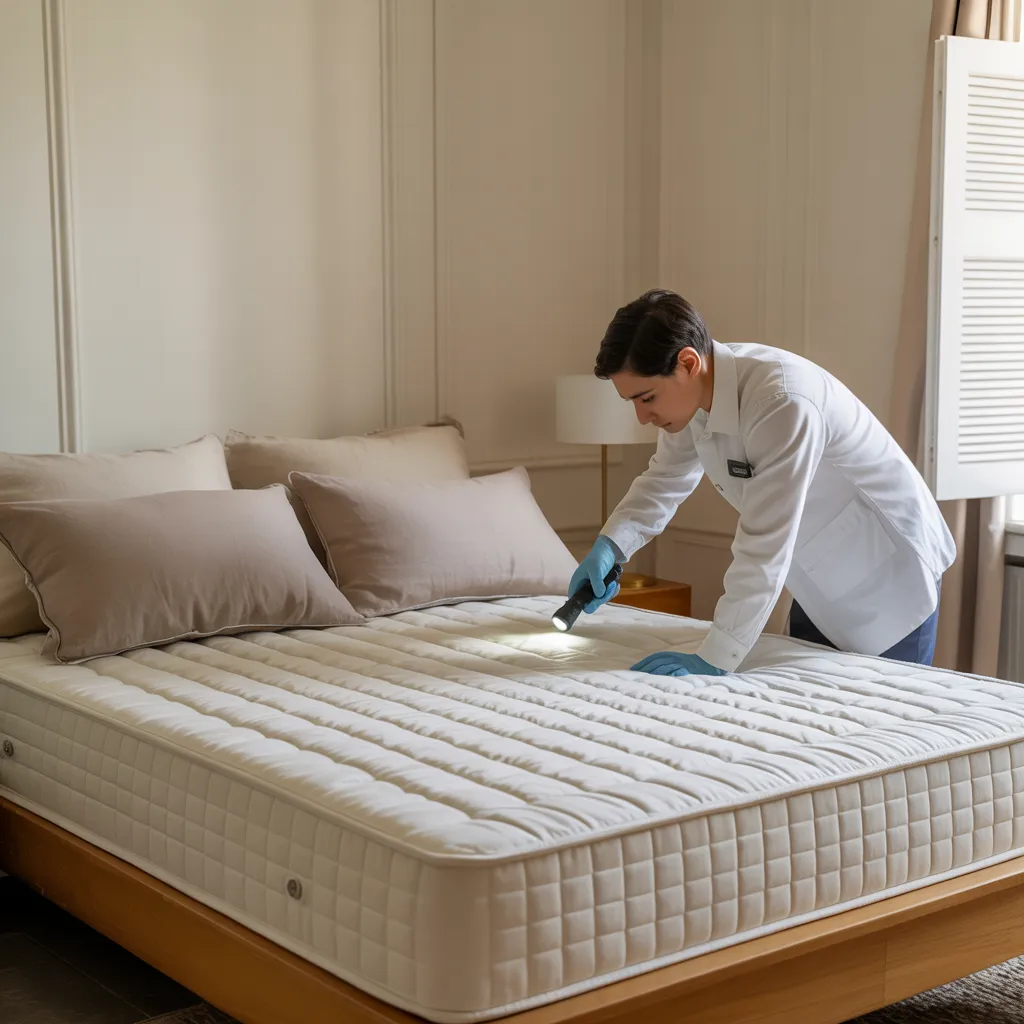
Checking sleeping areas meticulously can uncover their presence, especially in seams of mattresses and in cracks of bed frames. Bed bugs commonly travel inadvertently via luggage, clothing, or used furniture, making vigilance crucial when moving into new environments. Early detection can avoid a minor problem from escalating into a major infestation, emphasizing the necessity of regular inspections and awareness of the signs connected to these pests.
Self-Service Bed Bug Treatment Methods
When addressing a bed bug infestation, people often resort to DIY treatment methods for effective solutions. Primary methods include fundamental cleaning practices, natural repellent alternatives, and heat treatment methods, each offering distinct benefits. Understanding these strategies can help homeowners to address bed bugs with confidence.
Vital Cleansing Practices
Effective cleaning practices are essential for those dealing with a bed bug infestation, as they can substantially reduce the population of these pests and support other treatment strategies. A thorough vacuuming of carpets, upholstery, and mattresses should be the first step, ensuring that all visible bugs and eggs are removed. It is crucial to immediately dispose of the vacuum bag or contents outside to prevent re-infestation. Washing bedding, linens, and clothing in hot water and drying them on high heat can kill bed bugs and their eggs successfully. Furthermore, steam cleaning can be used on infested furniture and carpets. Regularly tidying and maintaining a clean living environment will also help minimize hiding spots for bed bugs, supporting overall pest control initiatives.
Plant-Based Pest Control Solutions
After applying extensive cleaning practices, some individuals may pursue natural preventive measures to better manage bed bug infestations. Natural oils including lavender, tea tree, and peppermint are frequently utilized for their bug-repellent characteristics. These oils can be diluted with water and misted in spots where bed bugs are thought to exist. Diatomaceous earth, a natural mineral powder, can likewise be spread in affected regions, serving as a desiccant that dehydrates and eradicates bed bugs on contact. Additionally, certain herbs, like rosemary and basil, can be stored in sachets and kept in affected spaces to repel these insects. While natural remedies might not offer a complete solution, they can work as a additional strategy in a complete bed bug treatment approach.
Heat Treatment Procedures
Heat treatment approaches deliver a powerful DIY solution for eliminating bed bugs, leveraging high temperatures to eliminate these pests at all life stages. This approach typically involves increasing the temperature in infested areas to around 120°F (49°C) or higher for a sustained period. Homeowners can use professional-grade heaters or steamers, targeting cracks, crevices, and furniture where bed bugs may hide. It is essential to ensure even heat distribution to achieve effective results. Additionally, items such as bedding and clothing can be placed in a dryer on high heat for at least 30 minutes to kill any hidden bugs. While heat treatment can be effective, it may require repeated applications to fully eliminate an infestation and should be combined with other methods for superior results.
Expert Pest Extermination Solutions
When facing a bed bug infestation, professional pest control services can provide a thorough and efficient solution. These services typically include a comprehensive inspection of the property to assess the extent of the infestation and the most appropriate treatment methods. Common techniques utilized by professionals include chemical treatments, heat treatments, and steam cleaning, each tailored to the specific situation.
Licensed pest control operators are educated to handle insecticides safely, providing effectiveness while minimizing risks to residents. They also possess access to treatments and equipment that are not available to the general public, enhancing their ability to eliminate bed bugs.
In addition, several pest control providers supply follow-up services to guarantee that the infestation is entirely eradicated. This professional oversight can offer peace of mind, knowing that expert technicians are addressing the problem. Investing in professional pest control can in the end save valuable time, effort, and extra complications linked to a persistent bed bug problem.
Preventing Upcoming Bed Bug Infestations
To successfully avoid future bed bug infestations, regular inspections and maintenance of living spaces are vital. Utilizing proper packing techniques can also substantially decrease the risk of bringing these pests into homes. Both strategies play a critical part in maintaining a bed bug-free environment.
Scheduled Inspections and Maintenance
Routine inspections and upkeep are essential for stopping future bed bug infestations, as they enable homeowners to spot and resolve potential issues before they escalate. Carrying out thorough examinations in common hiding spots—such as mattresses, box springs, and furniture—facilitates early detection of these pests. Homeowners should establish a routine schedule for inspections, ideally every few months, to confirm that any signs of bed bugs are caught promptly. In addition, maintaining cleanliness and organization in living spaces can markedly reduce the likelihood of infestations. Regular vacuuming and washing bedding at high temperatures are essential practices that contribute to a proactive approach. By making a priority of inspections and maintenance, homeowners can safeguard their living environments from bed bug incursions effectively.
Appropriate Packing Strategies
Strategic packing techniques play a vital role in avoiding bed bug infestations, specifically during travel or relocation. To reduce risk, individuals should utilize sealed plastic bags or containers for clothing and personal items. This creates a barrier that can deter bed bugs from accessing belongings. It is advisable to keep luggage off the floor and use luggage racks when available. Furthermore, travelers should avoid placing items on upholstered furniture in hotels, as these can harbor pests. Upon returning home, it is important to inspect and wash all expert guide clothing immediately, even items that were not worn. By using these packing strategies, individuals can considerably reduce the likelihood of introducing bed bugs into their living spaces.
Guidelines for Sustaining a Bed Bug-Free Home
Although bed bugs can be a stubborn nuisance, maintaining a bed bug-free home is achievable through vigilant practices. Regularly examining sleeping areas, including mattresses and bedding, is critical for early detection. Reducing clutter to a minimum reduces hiding spots, making it more challenging for bed bugs to survive.
Cleaning linens and garments in hot water and running them through the dryer on maximum temperature a minimum of once per week can remove any possible pest problems. Using protective covers on sleeping surfaces and foundations provides a barrier against these pests.
Frequent vacuum cleaning, especially around baseboards and furniture, helps remove any bed bugs or eggs that may have settled. You should also examine secondhand furniture or clothing before taking them into the home.
Ultimately, instructing all members of the household about bed bug indicators and protective measures encourages a collaborative approach in preserving a peaceful, bed bug-free living space.
Common Questions
Are Bed Bugs Exist in Electronics or Appliances?
Bed bugs can inhabit electronics and appliances, although they prefer hiding in fabrics and crevices. Their small size allows them to access tight spaces, making it possible for them to reside in various devices.
How Long Do Bed Bugs Typically Survive Without a Host?
Bed bugs typically survive without a host for around two to six months. Nevertheless, under optimal conditions, they can persist up to a year, utilizing stored body fat during this period of starvation.
Is Using Essential Oils Safe for Bed Bug Control?
Utilizing essential oils for bed bug treatment is not regarded as completely safe or effective. While some oils may repel pests, they frequently lack the proven potency needed for complete eradication, requiring additional pest control methods.
Do Bed Bugs Carry Diseases to Humans?
These pests do not directly transfer illnesses to humans. Nonetheless, their bites can cause allergic reactions and secondary infections due to scratching. Their presence can also cause emotional distress, compromising general health and wellness.
Do Bed Bugs Prefer Certain Types of Fabrics or Materials?
Bed bugs demonstrate an affinity for certain fabrics, especially those that are heat-retaining and soft, such as blends of cotton and polyester. They are not as drawn to materials like synthetic materials or leather.